
 Afsha
Afsha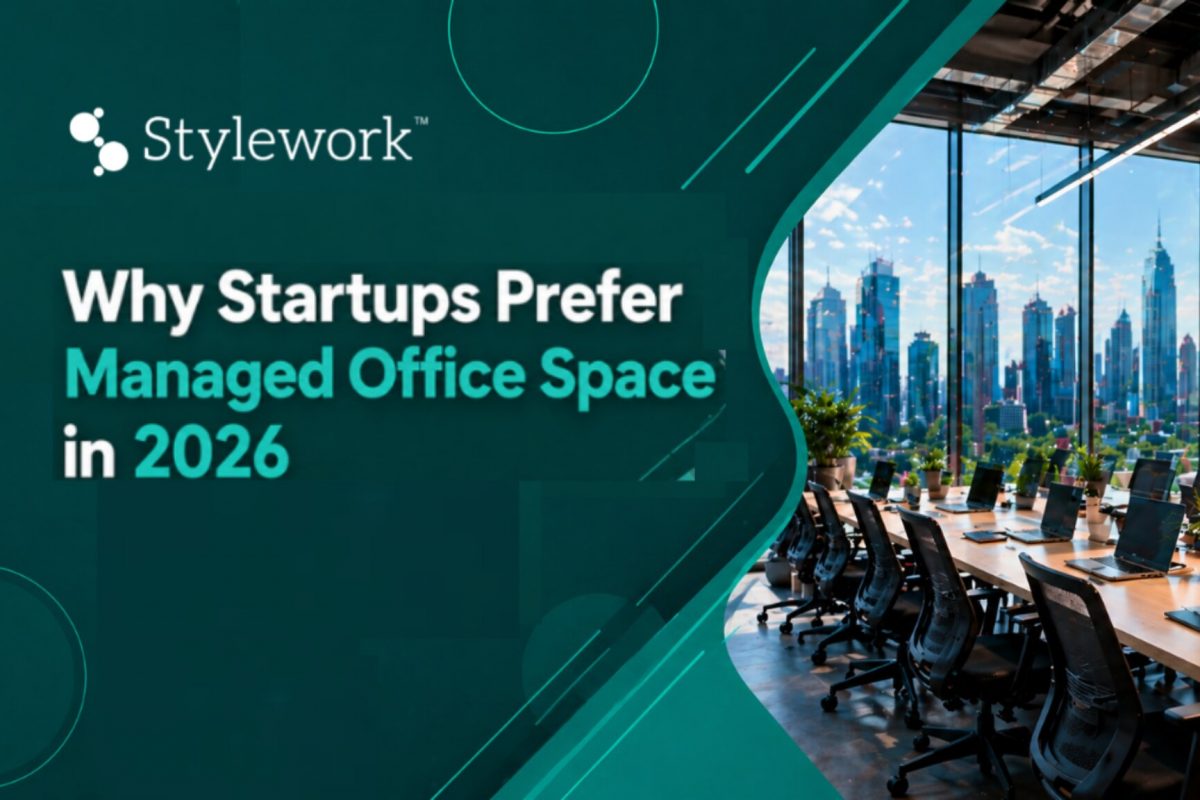
8 reasons India’s fastest-growing startups are choosing managed workspaces over traditional leases
In 2026, managed office space will become the default workplace model for India’s fastest-growing startups. With no long-term lease commitments, no fit-out costs and fully operational setups ready in days, the shift from traditional offices to managed office space is no longer experimental; it is the standard.
According to the FICCI–CBRE Flex-plosion: India’s Flexible Workspaces Era report (March 2026), 65% of Indian office occupiers plan to integrate flexible workspaces by 2027, up from 55% who already use them today.
Whether you’re a 10-person seed-stage startup or a 200-person Series B scale-up, the case for managed office space in 2026 is the same: spend time managing real estate and more time building your business. This guide breaks down why with data, context and a decision checklist to help you assess if it’s the right move for your team.
What is Managed Office Space?
A managed office space is a furnished operationally managed private workspace delivered by a third-party provider. Unlike a lease, where you take on an empty shell and build everything yourself, a managed workspace is handed over ready to use, with everything from ergonomic desks and high-speed internet to IT support, housekeeping, and security. Unlike an office space or coworking desk, a managed office gives your company complete privacy and full brand control within your dedicated floor or suite.
Think of it as a hybrid between an office and a serviced office space: you get the professionalism and exclusivity of your own workplace without the capital expenditure, vendor management and 10-year lease that traditional offices demand. Managed offices combine the flexibility of coworking with the identity and privacy of a corporate headquarters.
Managed Office vs Serviced Office vs Traditional Lease: At a Glance
| Feature | Managed Office | Serviced Office | Traditional Lease |
| Setup time | Days | Days to 1 week | 3–6 months |
| Cost model | Monthly OpEx, all-in | Monthly, shared | CapEx + OpEx |
| Privacy | Fully private, branded | Shared or semi-private | Fully private |
| Lease length | Flexible, 6–24 months | Monthly to 12 months | 5–20 years |
| Facilities mgmt. | Provider manages all | Provider manages shared | You manage all |
| Scalability | Add seats anytime | Limited by shared space | Renegotiate lease |
Top 8 Reasons Why Startups Prefer Managed Office Space in 2026
1. Built for the Hybrid Work Era: Not an Afterthought
Hybrid work continues to shape workplace strategy in India. According to Great Place To Work India, 63% of employees are currently working on-site, while over 22% operate in hybrid setups. Managed offices make this transition easier through flexible seating, private cabins, and scalable workspace options.
| Managed offices drive flexi work by design – they are engineered around the assumption that not everyone will be in the office every day. |
2. One Monthly Bill: From CapEx Chaos to OpEx Clarity
Managed office spaces may lower upfront setup costs and create more predictable monthly occupancy expenses compared to traditional leases.
Also Read: Stylework’s Master Service Agreement: Transforming Enterprise Workspace Management
3. Instant Setup: Days, Not Months
Setting up an office takes 3 to 6 months. Instant managed offices are move-in ready from day one. Everything is already in place, from furniture to configured Wi-Fi networks and access control.
4. World-Class Facilities Without the Management Overhead
A configured managed workspace includes high-speed fibre internet, enterprise-grade video conferencing, 24/7 IT support and more. You access these facilities without hiring a facilities team or managing vendor contracts.
Also Read: How Managed Offices Are the Future of Flexi Workspaces
5. Focus on Core Business: Not Office Management
The rise of the Workplace-as-a-Service (WaaS) model reflects a shift in how businesses think about real estate. Office space is no longer an asset to own and manage; it’s a service to subscribe to.
6. Scalability for Growth: Up or Down Without Penalties
Managed workspaces solve the mismatch between lease commitments and actual headcount growth. Managed office providers offer lease terms from 6 to 24 months with built-in provisions to expand into additional suites or floors.
7. Better Employee Wellbeing: A Competitive Hiring Advantage
The quality of your office is a recruitment signal. Managed offices in premium Grade A buildings provide growing startups with an environment that competes with that of enterprise employers.
8. Prime Locations in India’s Key Business Districts
Address matters for client meetings, investor visits and talent hiring. Managed office providers have secured long-term anchor positions in India’s coveted business addresses.
Also Read: A Complete Guide to Office Expansion in India for Enterprises & GCCs (2026)
Is Managed Office Space Right for Your Startup?
If three or more of the following apply to your business, a managed office space is very likely your ideal workspace option in 2026. It offers the flexibility, speed, and operational ease that growing startups need without the burden of long-term leases or heavy upfront investment. For businesses focused on scaling efficiently, managed offices can provide a smarter alternative to conventional office setups.
- Team of 5 to 200 people who need a private, branded workspace.
- Need to be fully operational in under 2 weeks.
- Dedicated in-house facilities or an IT management team.
- Planning to expand to new cities or increase headcount in the next 12 months.
- Want a professional office without committing to a 5-year lease
| If 3 or more of the above apply, explore managed offices for rent in your city. Most providers offer a walk-through within 24–48 hours and can confirm availability for your target start date immediately. |
Frequently Asked Questions
How is a managed office different from a traditional lease?
Managed offices require no upfront capital expenditure, offer flexible lease terms (6–24 months), and are ready within days. Traditional leases require long-term commitments (5–20 years), setup time of 3–6 months, and separate vendor management.
Can managed offices adapt to a hybrid work setup?
Yes, managed offices are great for teams. Providers offer a mix of desks, hot desks, private offices and meeting rooms. This allows teams to configure their usage as needed. Many providers also have networks that give your team access to shared coworking spaces across cities. This supports the hub-and-spoke model that many companies are using.
What services are included in a managed office?
Services typically include furniture, high-speed internet, IT support, housekeeping, security, meeting rooms, and facility management.
Can managed office spaces scale with company growth?
Yes, they allow companies to easily add or reduce seats without renegotiating long-term leases.
What are the risks of choosing a traditional office over a managed office?
Traditional offices involve high upfront costs, long-term commitments, slower setup, and operational overhead.
The Bottom Line
Managed office space is not just for startups that cannot afford an office. In 2026, it is a choice for businesses that want to move fast, save money and work from a professional environment. The combination of setup, predictable costs, prime locations and scalability makes managed workspace the default choice for India’s next generation of high-growth startups. The data confirms that more and more businesses are choosing managed office space.